
Countdown to Uncertainty: The Astronaut Evacuation Drama
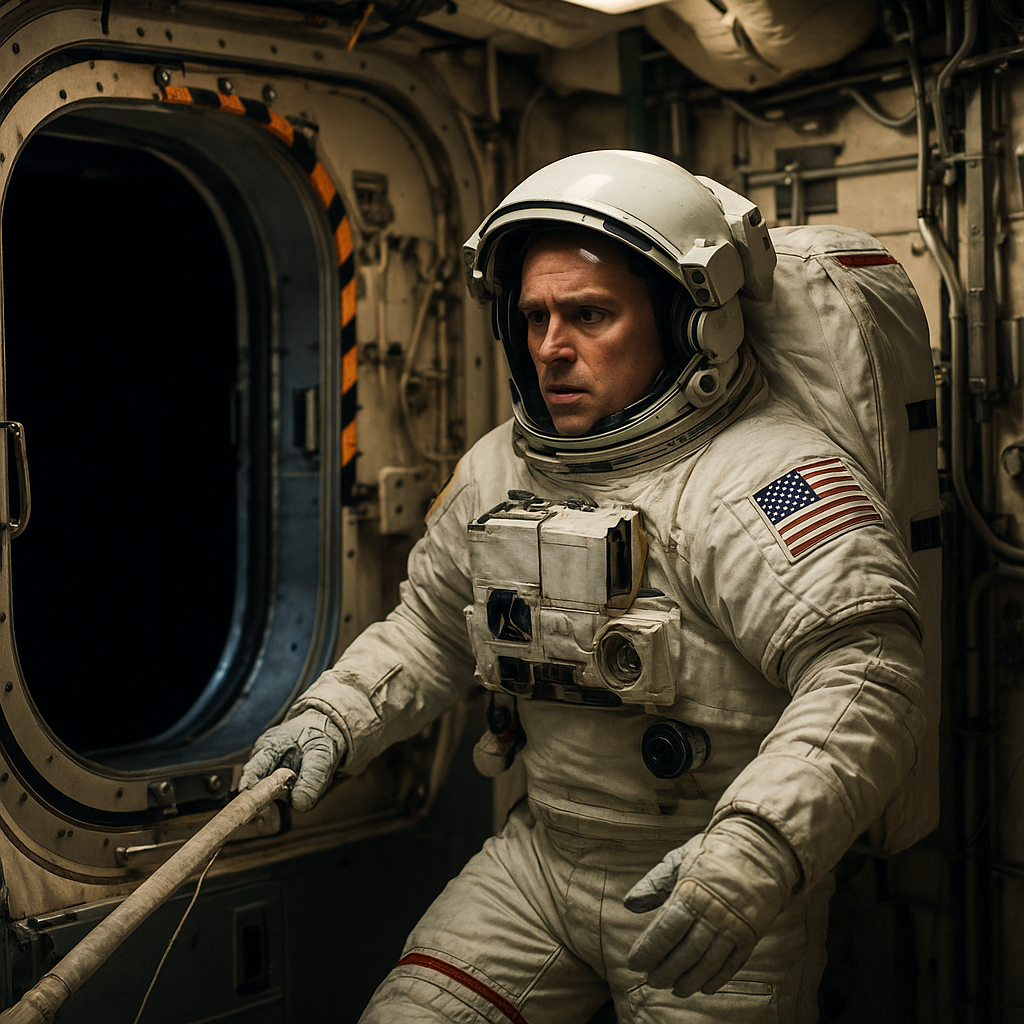
Houston, we have a problem. And it's a big one. The idea of evacuating astronauts from the International Space Station (ISS) sounds like something straight out of a sci-fi thriller, yet NASA faced this very real possibility not long ago. In September 2022, cracks appeared in Russia's Soyuz spacecraft—a major issue, given it's the primary ride home for astronauts. Suddenly, the notion of earthbound operators running an evacuation became a tangible reality.
Space travel is glamorous until you realize you're essentially hurtling through a cosmic vacuum where an error means no second chances. The stakes couldn't be higher, yet the recent attempt to address this looming risk has raised more questions than it answers. Why? Because NASA's strategies are beginning to look outdated, like picking up a flip phone when everyone's moved on to smartphones.
Numbers That Might Shock You
To get to the heart of the issue, let's talk numbers. Currently, the ISS orbits Earth around 250 miles above us, completing about 15.5 circles every day. That's fast—very fast, indeed. But what about the scenario back in December 2022 when a micrometeoroid hit the Soyuz capsule? The situation got tense as mission control scrambled for alternative plans to bring astronauts safely back home.
NASA projected sending a fresh Soyuz by February 2023. With temperatures in the damaged Soyuz rising to a sweltering 104 degrees Fahrenheit, the heat was on—literally and metaphorically. Meanwhile, the international community is investing billions in space programs, yet astronauts faced potential isolation in a 0.8 atm pressure environment at the ISS.
Evacuation Protocols: Read Between the Lines
NASA's evacuation protocols read like they're from a different millennium. The challenges of evacuating a multi-national crew in an emergency involve highly complex logistics. Here's a breakdown of the urgent considerations:
- Timing: Zero room for procrastination. When is the right time to pull the plug?
- Communication: Instant and reliable lines with Earth-bound teams.
- Technology: Updated systems that can handle unforeseen failures.
The shortfall? NASA's evacuation plans seem reactive rather than proactive, and they're gambling with lives.
The Modern Context: Space Race 2.0
Today, the space race feels like a high-stakes poker game with new players. You've got SpaceX muscling in with its Crew Dragon capsules, which conducted its first successful splashdown in May 2020. NASA's Artemis program aims to put boots back on the moon by 2024. The fact is, space missions are proliferating, while the ISS's evacuation plans remain stuck in neutral.
Even the most ardent NASA supporters are starting to wonder whether the agency is prepared for the modern era. The reliance on outdated technology is akin to driving a Model T when the world is zooming around in Teslas. Is NASA asleep at the wheel, or is there a strategic masterplan in the works?
Why Bet on the Long Game?
To be frank, it's time for NASA to put up or shut up. With growing geopolitical tensions and a greater push into space, the agency must ensure its protocols are sharp as a tack. Evacuations should be seamless, not chaotic. They need to ditch the bandaid solutions and employ real innovation.
Success isn't just surviving the storm—it's weathering it with foresight. In the realm of space travel, there's no room for half-measures. It's time NASA embraced their audacious spirit once more and let space explorers take new strides safely. If they don't, the next time might be their last chance to get it right.


0 Comments