
The Fierce Debate Over Rider Safety
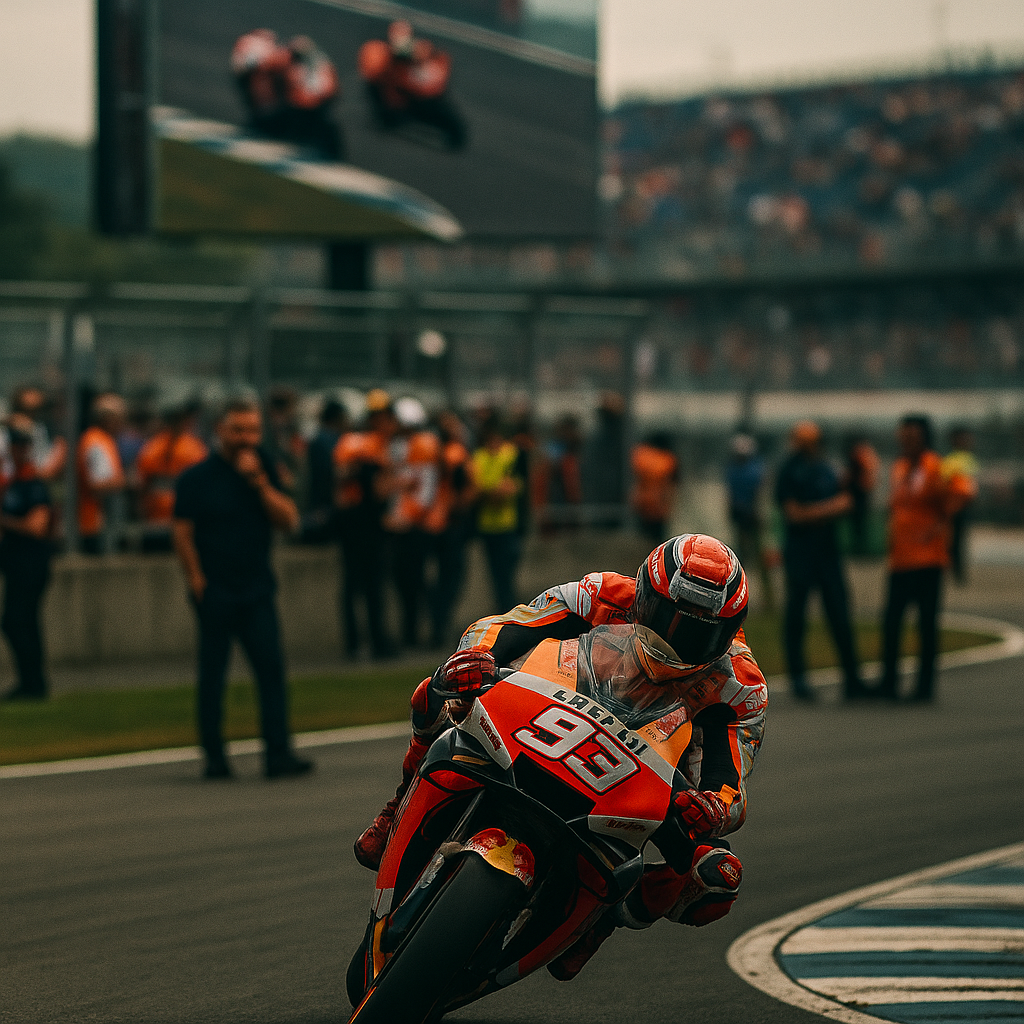
If there's one topic that sets the MotoGP community ablaze, it's rider safety and the balance between risk and entertainment. Since 2022, we've seen an alarming number of high-speed crashes, with reports indicating an average of 6.5 crashes per race weekend. That's not a statistic to ignore lightly. The real question is, are the thrills of MotoGP worth the spills?
Despite ongoing efforts to enhance safety measures, critics argue that the changes are too slow and reactive rather than proactive. With riders reaching speeds in excess of 220 mph, protective gear and track design alone may not suffice. Add to that the unbridled competitiveness of the racers, and you've got a recipe for disaster—or as enthusiasts might argue—pure adrenaline-fueled spectacle.
The Rise of New Heroes and Veterans Hanging on
MotoGP in the past two years has been a battlefield of fresh talent and seasoned warriors refusing to surrender their thrones. Let's talk numbers. In 2023, MotoGP saw three rookies finishing in the top ten standings—a feat unheard of in recent seasons. These newcomers, like Pedro Acosta and Raul Fernandez, are shaking the foundations of the sport with their fearless aggression and raw talent.
Meanwhile, seasoned champions like Marc Márquez and Fabio Quartararo continue to vie for supremacy. Márquez, once thought to be at the peak of his career with six world titles, has been pushing his Honda to its limits. Yet, repeated injuries have sparked debates on whether he should recalibrate his reckless riding style or risk fading into irrelevance. It's a classic case of the old guard versus the new wave, and it's generating more drama than a prime-time soap opera.
The Technological Arms Race
Not to be overshadowed, the technology that powers these magnificent machines has taken leaps and bounds. With state-of-the-art electronics, seamless shift gearboxes, and aerodynamic winglets, MotoGP bikes are more like fighter jets than motorcycles. Yet, the 2023 season saw a tightening of technical regulations aiming to level the playing field and curb runaway spending.
Here's a quick rundown of what this 'technological arms race' entails:
- **Electronics packages**: With advanced traction control and anti-wheelie systems, bikes now have unprecedented levels of stability and control.
- **Engine limits**: Manufacturers are limited to seven engines per rider for the season, forcing teams to focus on longevity without sacrificing performance.
- **Aerodynamics**: Winglets and other fairing innovations keep bikes glued to the tarmac but have come under scrutiny for making close racing too risky.
Attendance and Viewership: A Mixed Bag
The pandemic dealt a brutal blow to live sports, and MotoGP was no exception. However, 2023 has marked a resurgence in fan engagement. Attendances have rebounded with races like the Italian Grand Prix seeing a 30% increase in spectators compared to the prior year.
But it's not all roses. TV ratings tell a different story, with a 15% dip in viewership across key markets like Spain and Italy. The younger audience appears to be drifting towards new media platforms, challenging traditional broadcasters to rethink their strategies.
The shift raises existential questions: Is MotoGP keeping pace with the digital age? The sport's ability to captivate the next generation will depend on how it answers this call.
What Lies Ahead?
The road for MotoGP is as thrilling and unpredictable as the races themselves. As the sport accelerates into the future, it must navigate a precarious balance between innovation and tradition, excitement and safety.
Will the allure of speed and danger continue to captivate audiences? Or will safety concerns and technological constraints throttle its momentum? Whatever the case, MotoGP remains a combustible mix of risk, skill, and sheer spectacle—a dance on the edge that keeps us all riveted.


0 Comments