
AI Human Integration in the Workforce: Embracing the Future
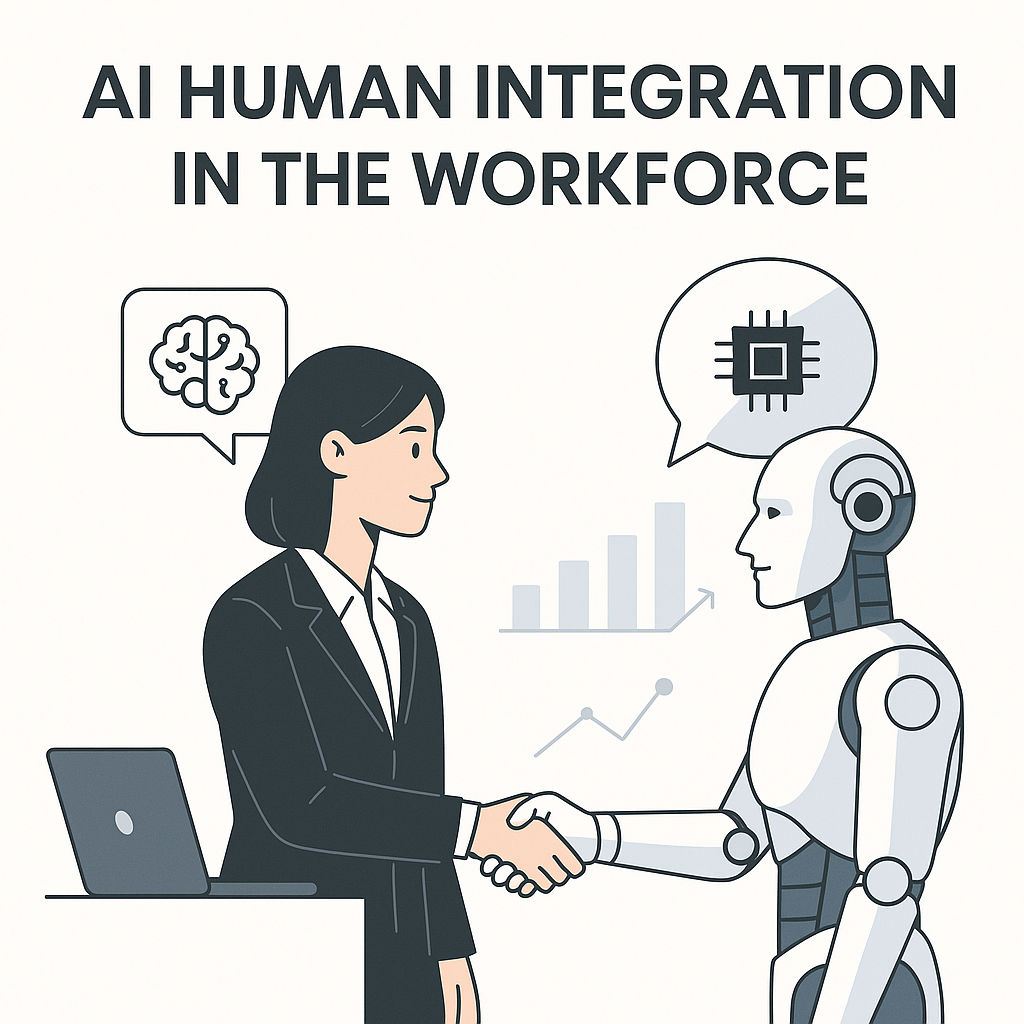
As artificial intelligence (AI) continues to advance, its integration into the workforce is becoming increasingly significant. This transformative technology promises to reshape industries, enhance productivity, and create new opportunities. However, it also poses challenges that require careful management. In this article, we'll explore the benefits, challenges, and future trends of AI human integration in the workforce.
Benefits of AI Human Integration
Integrating AI into the workforce offers numerous advantages that can revolutionize how businesses operate:
- Enhanced Productivity: AI can handle repetitive tasks efficiently, allowing employees to focus on more strategic activities.
- Improved Decision Making: AI analyzes vast amounts of data to provide insights, helping businesses make informed decisions.
- Cost Efficiency: Automation can reduce operational costs by streamlining processes and minimizing errors.
- Innovation: AI fosters creativity by providing tools and platforms that enable innovative solutions.
Challenges of AI Human Integration
While AI offers significant benefits, integrating it into the workforce is not without challenges:
- Job Displacement: Automation may replace certain jobs, requiring a shift in skill sets and employee roles.
- Ethical Concerns: AI raises ethical issues regarding privacy, fairness, and the potential misuse of technology.
- Skill Gap: The workforce needs to adapt to new technologies, necessitating ongoing education and training.
- Implementation Costs: Initial setup and integration of AI systems can be costly for businesses.
Future Trends in AI Human Integration
As AI continues to evolve, several trends are shaping its integration into the workforce:
- Collaborative AI: AI systems will increasingly work alongside humans, enhancing human capabilities rather than replacing them.
- Personalized AI Tools: Customized AI solutions tailored to individual needs will become more prevalent.
- AI in Remote Work: AI will play a crucial role in supporting remote work environments, facilitating communication and collaboration.
- Continuous Learning: AI will drive the need for continuous learning and skill development among employees.
FAQs on AI Human Integration
- What industries are most affected by AI integration?
- Industries such as manufacturing, healthcare, finance, and retail are significantly impacted due to their reliance on data and automation.
- How can businesses prepare for AI integration?
- Businesses can prepare by investing in AI training programs, fostering a culture of innovation, and collaborating with technology experts.
- Will AI replace human jobs?
- While AI may replace certain tasks, it is more likely to create new roles and opportunities, necessitating a shift in workforce skills.
- How do ethical concerns impact AI integration?
- Ethical concerns require businesses to establish guidelines and practices that ensure AI is used responsibly and fairly.
Conclusion
AI human integration in the workforce is an inevitable and transformative process that holds the potential to redefine industries, boost productivity, and foster innovation. By understanding the benefits, addressing the challenges, and anticipating future trends, businesses can strategically position themselves to thrive in this new era. As technology evolves, collaboration between AI and humans will pave the way for a more efficient and innovative workforce.


0 Comments