
AI-Driven Personalized Longevity: The Future of Health and Aging
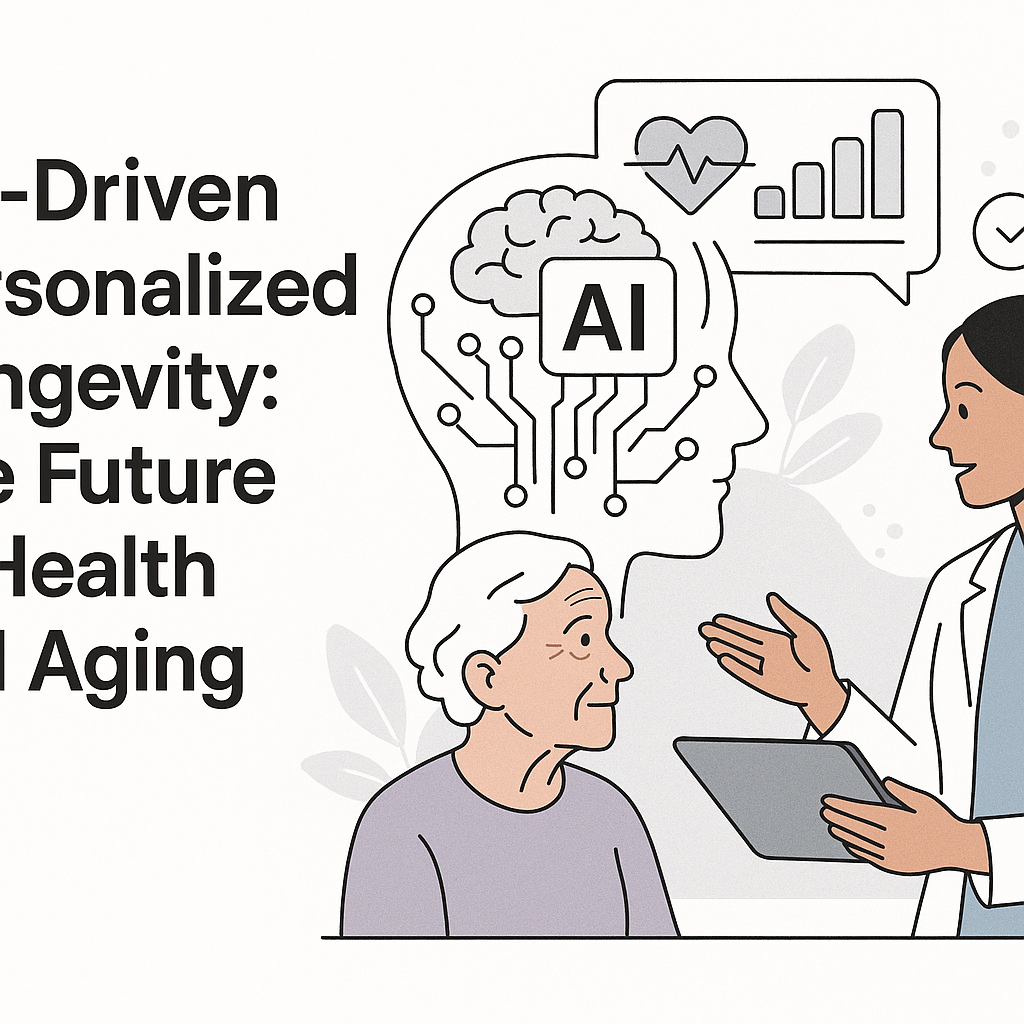
In the quest for longer, healthier lives, technology is playing an increasingly pivotal role. Artificial Intelligence (AI) is at the forefront of this revolution, promising to reshape the way we approach aging and health management. AI-driven personalized longevity offers a transformative approach by tailoring health strategies to individual needs, potentially prolonging life and enhancing overall well-being.
Understanding AI-Driven Personalized Longevity
AI-driven personalized longevity refers to the use of advanced AI technologies to create bespoke health and aging plans. It leverages data analytics, machine learning, and predictive modeling to understand individual health profiles and predict future health challenges. This approach not only targets disease prevention but also optimizes health maintenance, allowing individuals to live longer and healthier lives.
How AI Technology Impacts Longevity
AI technology impacts longevity through several key mechanisms:
- Data-Driven Insights: AI analyzes vast amounts of health data to uncover patterns and insights that are invisible to human analysis.
- Predictive Analytics: By forecasting potential health risks, AI allows for preemptive interventions that can stave off diseases before they manifest.
- Personalized Health Recommendations: AI tailors healthcare strategies to individual genetic, environmental, and lifestyle factors, ensuring maximum effectiveness.
- Continuous Monitoring: Wearable AI devices monitor health metrics in real-time, providing instant feedback and alerts for any deviations from the norm.
The Benefits of AI in Aging and Health
The integration of AI in health and aging offers numerous benefits:
- Enhanced Disease Prevention: Early detection and intervention significantly reduce the risk of chronic illnesses.
- Improved Quality of Life: Personalized health plans cater to individual needs, improving overall quality of life.
- Extended Lifespan: By optimizing health management, AI contributes to longer life expectancy.
- Cost Efficiency: Targeted interventions reduce unnecessary treatments and expenses, making healthcare more affordable.
Challenges in Implementing AI for Longevity
Despite its potential, AI-driven personalized longevity faces several challenges:
- Data Privacy: Protecting sensitive health data is crucial to maintain patient trust and comply with regulations.
- Ethical Considerations: The use of AI in health raises ethical questions regarding consent and decision-making.
- Technology Accessibility: Ensuring equitable access to AI-driven health solutions is essential to prevent disparities.
- Integration with Existing Systems: Seamless integration with current healthcare systems is necessary for effective implementation.
FAQs About AI-Driven Personalized Longevity
What is AI-driven personalized longevity?
AI-driven personalized longevity refers to the use of AI technologies to create customized health and aging strategies, optimizing individual health outcomes and extending lifespan.
How does AI contribute to longevity?
AI contributes to longevity by analyzing health data, predicting risks, and providing personalized recommendations that improve health management and prevent disease.
What are the ethical considerations of using AI in health?
Ethical considerations include ensuring patient consent, maintaining data privacy, and addressing issues related to AI decision-making in healthcare.
Can AI really extend human lifespan?
While AI cannot directly extend lifespan, it can significantly improve health management, reduce disease incidence, and enhance overall quality of life, contributing to longer life expectancy.
Conclusion
AI-driven personalized longevity represents a groundbreaking shift in healthcare, offering the potential to redefine how we age and maintain health. By leveraging AI's capabilities in data analysis and predictive modeling, healthcare can become more proactive, personalized, and effective. While challenges remain, the future of AI in health and aging is promising, with the potential to significantly enhance our quality of life and extend our years.


0 Comments