
AI-Assisted Longevity: The Intersection of Artificial Intelligence and Human Lifespan Extension
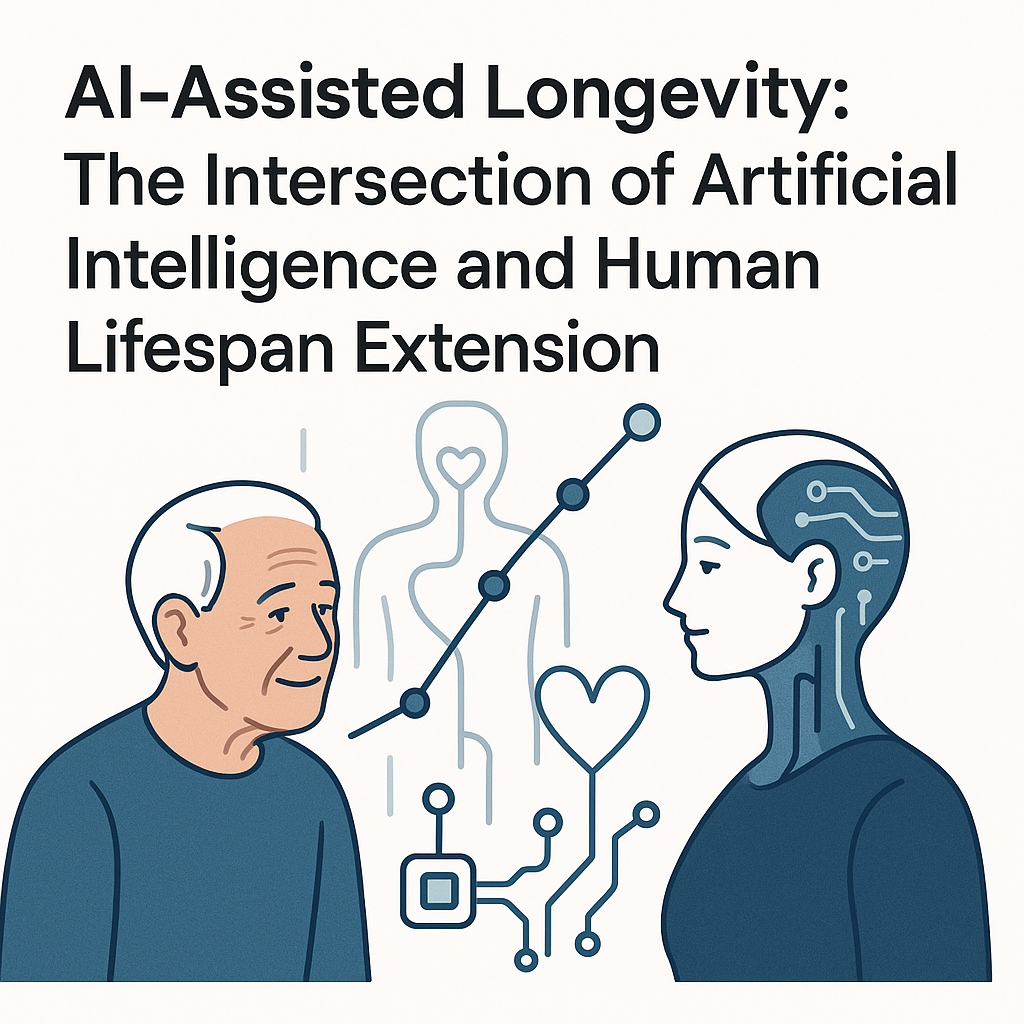
In recent years, the pursuit of extending human lifespan has gained remarkable traction, thanks in large part to advancements in artificial intelligence (AI). AI is not only reshaping industries but is also revolutionizing the way scientists approach longevity research. This article delves into the exciting intersection of AI and human lifespan extension, exploring how AI is assisting in groundbreaking research, potential breakthroughs, and the ethical considerations accompanying these advancements.
Understanding AI's Role in Longevity Research
AI is redefining longevity research by providing tools that can analyze vast datasets with unprecedented speed and accuracy. These advancements have enabled researchers to uncover patterns, predict outcomes, and personalize healthcare in ways previously unimaginable.
- Data Analysis: AI algorithms can process and analyze large volumes of biological data, identifying biomarkers associated with aging and diseases.
- Predictive Modeling: Machine learning models are used to predict the efficacy of potential treatments for age-related conditions.
- Personalized Medicine: AI helps in tailoring interventions to individual genetic and lifestyle factors, potentially extending healthy lifespan.
Current AI-Driven Innovations in Longevity
Several AI-driven innovations are currently making waves in the field of longevity research. Let's explore some notable examples:
- Drug Discovery: AI is accelerating the discovery of drugs that can target aging processes, reducing the time and cost of bringing new therapies to market.
- Genomic Research: AI is aiding in the interpretation of genomic data, unlocking insights into genetic factors that influence aging.
- Biological Age Measurement: AI algorithms are being used to calculate biological age, providing a more accurate assessment of an individual's health and longevity potential.
Ethical Considerations in AI-Assisted Longevity
While AI offers tremendous potential in extending human lifespan, it also raises ethical questions that must be addressed:
- Equity and Accessibility: Ensuring that advancements in longevity research are accessible to all, regardless of socioeconomic status.
- Privacy Concerns: Protecting personal genomic and health data used in AI-driven research.
- Long-Term Implications: Considering the societal impacts of significantly extended lifespans, such as resource allocation and population dynamics.
FAQs on AI-Assisted Longevity
- How does AI contribute to lifespan extension?
- AI contributes by analyzing data to identify aging biomarkers, predicting treatment outcomes, and personalizing healthcare interventions.
- Are there any successful AI-driven treatments for aging?
- While AI has accelerated research, most treatments are in the experimental phase, with promising candidates undergoing clinical trials.
- What are the ethical concerns associated with AI in longevity research?
- Ethical concerns include ensuring equitable access, safeguarding privacy, and assessing the societal impacts of extended lifespans.
Conclusion
The intersection of AI and human lifespan extension is a burgeoning field with the potential to transform healthcare and redefine aging. As AI continues to evolve, its applications in longevity research are poised to unlock new frontiers in understanding and extending human life. However, it is crucial to navigate these advancements with ethical considerations in mind, ensuring that they benefit society as a whole. With ongoing research and collaboration between AI experts and biologists, the dream of AI-assisted longevity is steadily becoming a reality.


0 Comments