Introduction: The Rising Threat of Flash Flooding in Texas
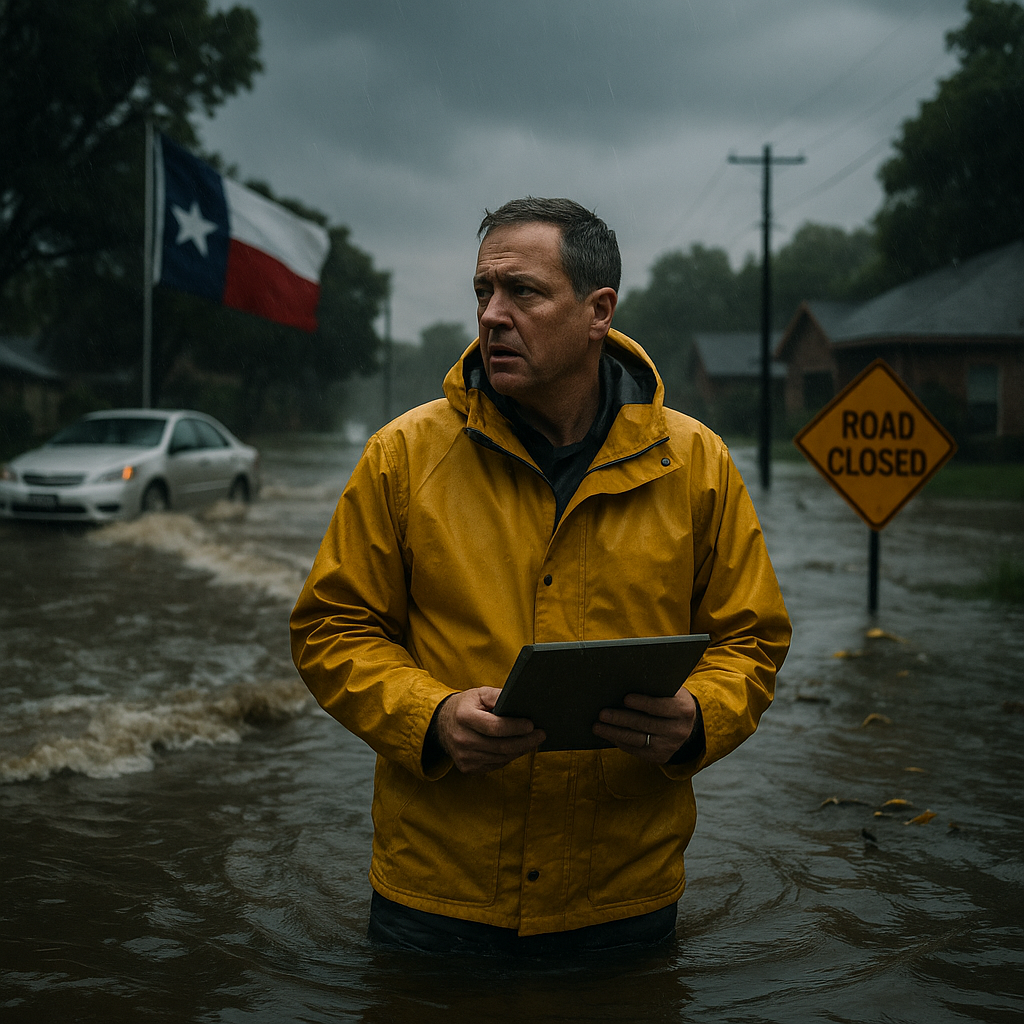
Flash flooding is becoming an increasingly common and dangerous phenomenon in Texas, posing significant risks to life and property. These sudden deluges can occur with little warning, making preparedness and understanding crucial for safety. This article delves into the causes of flash floods, safety measures to adopt, and the impact of climate change on these extreme weather events.
What Causes Flash Floods?
Flash floods are typically caused by intense rainfall over a short period, often overwhelming drainage systems and leading to rapid water accumulation. In Texas, the combination of heavy rains, urban development, and the state's diverse topography contributes to the frequency and severity of flash floods. Urban areas, with their impermeable surfaces, are particularly susceptible as they prevent water from being absorbed into the ground.
The Role of Geography and Urbanization
Texas' varied landscape, ranging from coastal plains to hill country, influences how water flows and accumulates during storms. Urbanization exacerbates the problem by increasing runoff and reducing natural water absorption areas. Cities like Houston have experienced significant flooding partly due to rapid urban expansion without corresponding drainage improvements.
Safety Measures During Flash Floods
Being prepared and knowing what to do during a flash flood can save lives. Here are some essential safety measures:
- Stay Informed: Monitor weather updates and heed warnings from local authorities.
- Avoid Floodwaters: Never attempt to walk or drive through floodwaters. As little as six inches of moving water can knock a person off their feet, and two feet can sweep away most vehicles.
- Have an Emergency Kit: Prepare a kit with essentials like water, food, medications, and important documents.
- Plan an Evacuation Route: Know your area's flood-prone zones and have an evacuation plan ready.
- Move to Higher Ground: If flooding occurs, move to higher ground immediately and avoid low-lying areas.
The Impact of Climate Change on Flash Flooding
Climate change is a significant factor in the increasing frequency and intensity of flash floods. Warmer temperatures lead to more evaporation and, consequently, more intense rainfall events. This shift in weather patterns is expected to continue, making flash floods more common and severe.
Global Comparisons: Lessons from India
Recent flash floods in Uttarakhand, India, underscore the global nature of this issue. The floods resulted in tragic losses, highlighting the need for effective warning systems and preparedness strategies. While the specific conditions in Texas differ, the underlying challenges of managing sudden, intense rainfall are similar.
Background: Understanding Texas' Unique Challenges
Texas is known for its diverse climate and geography, which can complicate flood management efforts. The state's size means that weather patterns can vary significantly from one region to another, affecting how and where flash floods occur. Understanding these regional differences is key to developing effective flood mitigation strategies.
What Changed: Increasing Urbanization and Climate Patterns
Over the past few decades, Texas has seen rapid urbanization, with cities expanding and populations increasing. This growth has often outpaced infrastructure development, leading to increased flood risks. Additionally, changing climate patterns have brought more frequent and intense storms, further exacerbating the potential for flash floods.
Why It Matters: Implications for Residents and Policy Makers
Flash flooding poses significant risks not only to individual safety but also to economic stability and community resilience. For residents, understanding flood risks and adopting safety measures can reduce personal harm. For policymakers, investing in infrastructure and climate adaptation strategies is crucial to mitigating future flood impacts.
Limitations: Challenges in Predicting and Managing Floods
Despite advances in meteorological technology, predicting flash floods remains challenging due to their sudden nature. Additionally, managing floods requires coordinated efforts across various sectors, including urban planning, emergency services, and environmental conservation. These complexities can hinder effective flood response and recovery.
What Readers Should Watch Next
As climate change continues to affect weather patterns, Texans should stay informed about local flood risks and engage with community planning efforts. Participating in local government meetings, supporting sustainable urban development, and advocating for improved flood warning systems are proactive steps residents can take.
Sources and Method
This analysis is informed by a combination of sources, including the ABC News report on the Uttarakhand floods and insights from the World Meteorological Organization on flood warning systems. While specific data on Texas floods was not available, the principles of flood management and safety are universally applicable.
Practical Takeaway
Understanding the causes and impacts of flash floods, along with adopting practical safety measures, is vital for Texans. As climate change continues to influence weather patterns, staying informed and prepared is the best defense against the unpredictable nature of flash floods.
Additional source links:
Comments
Post a Comment