As India navigates the 2026 monsoon season, the potential impact of a strong El Niño event looms large. This climatic phenomenon, characterized by the warming of sea surface temperatures in the Pacific Ocean, has significant implications for weather patterns worldwide. In India, El Niño's influence is particularly critical, affecting not only the monsoon but also agriculture and urban planning.
Understanding El Niño
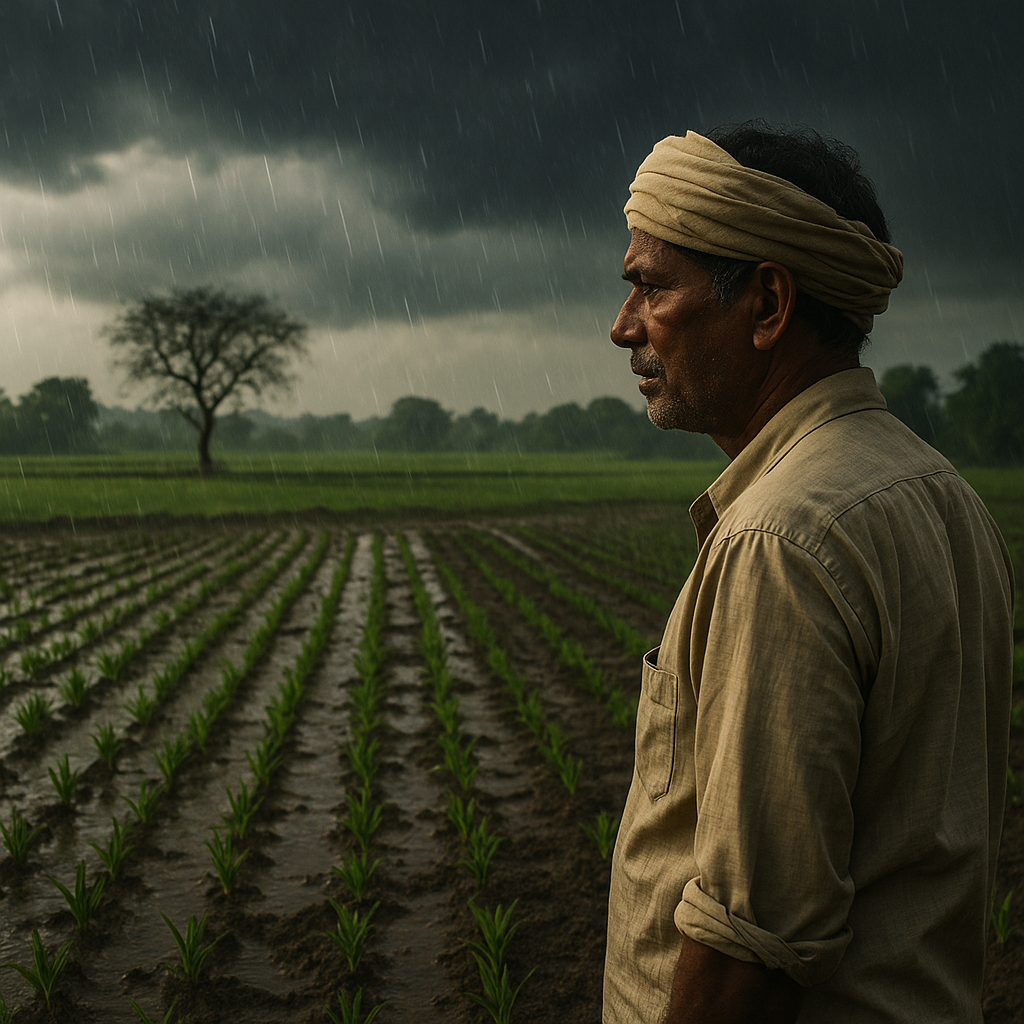
El Niño is a complex climate pattern that disrupts normal weather patterns globally. It is marked by the warming of sea surface temperatures in the central and eastern Pacific Ocean. This warming can lead to drier conditions in regions such as India, where the monsoon is crucial for agriculture and water supply. According to The Indian Express, this year's El Niño could be the strongest since 1950, raising concerns about its impact on India's monsoon.
Impact on India's Monsoon
India's Southwest Monsoon is vital, providing approximately 70% of the country's annual rainfall. El Niño events often lead to weaker monsoon rains, potentially reducing overall precipitation. Despite the monsoon having covered India, there are concerns that El Niño might still affect seasonal rainfall, as reported by ETV Bharat.
Consequences for Agriculture
The agricultural sector is particularly vulnerable to changes in monsoon patterns. A weak monsoon can lead to reduced crop yields, affecting food supply and prices. Farmers may face challenges such as water scarcity, which can hinder crop irrigation and growth. Additionally, the uncertainty surrounding rainfall can make it difficult for farmers to plan their planting and harvesting schedules effectively.
Economic Implications
A weak monsoon has significant economic implications. Agriculture contributes substantially to India's GDP, and disruptions can ripple through the economy, affecting rural livelihoods and food security. As noted by Vajiram & Ravi, a weak monsoon coupled with El Niño could significantly impact India's economy.
Urban Planning Challenges
Urban areas are not immune to the effects of El Niño. Reduced rainfall can lead to water shortages, impacting city dwellers and industries. Urban planners may need to consider alternative water management strategies to mitigate the effects of a potential drought.
Recent Developments
Despite concerns, there have been positive developments. According to NDTV, the rainfall deficit has decreased over the past week, indicating that the monsoon is picking up pace despite El Niño's presence.
Limitations and Uncertainties
While current data suggests a potentially strong El Niño, the exact impacts on India's agriculture and economy remain uncertain. Specific predictions about agricultural yield impacts are not yet detailed, and the precise reduction in the rainfall deficit is not specified. Stakeholders should continue to monitor updates from meteorological agencies and adapt their strategies accordingly.
What Readers Should Watch Next
Readers should keep an eye on updates from meteorological departments and agricultural advisories. Understanding the evolving situation can help in making informed decisions, whether it's for farming practices or urban planning. Additionally, exploring alternative water conservation methods and drought-resistant crops can be beneficial.
Sources and Method
This analysis draws on information from several reputable sources, including ETV Bharat, The Indian Express, and NDTV. These sources provide a comprehensive view of the current situation and potential future developments.
Practical Takeaway
For farmers, staying informed and flexible is key. Monitoring weather forecasts and seeking advice from agricultural experts can help in adapting to changing conditions. Policymakers should prioritize water management strategies and support systems for affected communities. By understanding the potential impacts of El Niño, India can better prepare for the challenges and opportunities that lie ahead.
What readers should know
- This report is based on the linked source and avoids claims that are not visible in the available material.
- Details may change as more official information or updated reporting becomes available.
- Readers should treat numbers, timelines, and statements as source-bound context, not personal advice.
Why this matters
For readers following Exploring El Niño's Influence on India's Monsoon and Agricultural Landscape, the useful takeaway is not just the headline. The important part is understanding what the available report confirms, what it leaves open, and why later updates may change the picture.
This article keeps the wording cautious because the source material is the factual boundary. The added context is meant to help readers understand the development without turning early information into unsupported claims.
What is still unclear
The linked source does not answer every possible follow-up question. Timelines, official responses, wider impact, and next steps may need clearer reporting before readers can treat them as settled facts.
Where the evidence is limited, the safer reading is to treat the current details as a snapshot. That approach protects readers from overconfident summaries and keeps the post useful even as the story develops.
Comments
Post a Comment