
Understanding Earthquakes: Causes, Effects, and Preparedness
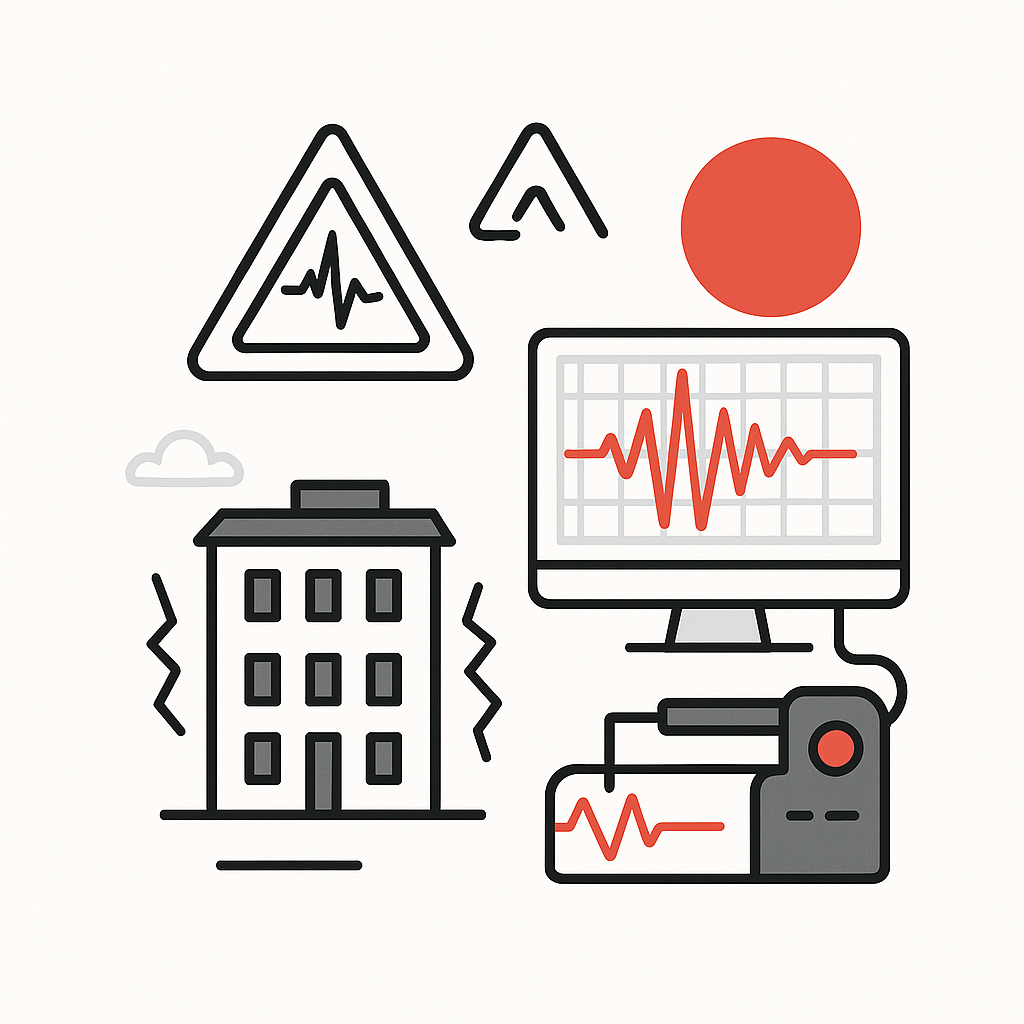
Earthquakes are natural phenomena that occur when there is a sudden release of energy in the Earth's crust, causing seismic waves. These events can be both awe-inspiring and devastating, affecting millions of lives across the globe. In this article, we delve into the causes and effects of earthquakes and provide essential tips for earthquake preparedness.
What Causes Earthquakes?
Earthquakes are primarily caused by the movement of tectonic plates beneath the Earth's surface. The Earth's crust is divided into several plates that float on the molten rock of the mantle. These plates constantly move, and when they collide, pull apart, or slide against each other, they can cause earthquakes. The main types of tectonic plate movements that lead to earthquakes include:
- Convergent Boundaries: Plates move towards each other, causing one to subduct beneath the other.
- Divergent Boundaries: Plates move apart from each other, often leading to volcanic activity.
- Transform Boundaries: Plates slide past each other horizontally, leading to friction and stress accumulation.
The Effects of Earthquakes
Earthquakes can have a wide range of effects, from minor tremors to catastrophic destruction. The impact of an earthquake is influenced by its magnitude, depth, and proximity to populated areas. Common effects include:
- Ground Shaking: The intensity of shaking depends on the earthquake's magnitude and distance from the epicenter.
- Surface Rupture: Visible displacement of the ground along the fault line, often damaging infrastructure.
- Landslides: Triggered by the shaking, particularly in steep terrains, leading to additional damage.
- Tsunamis: Undersea earthquakes can generate massive waves, posing a significant threat to coastal areas.
- Building Collapse: Poorly constructed buildings are at risk, leading to loss of life and property.
Earthquake Preparedness: How to Stay Safe
Preparation is key to minimizing the impact of an earthquake. Here are essential tips to enhance your earthquake safety:
- Develop an Emergency Plan: Ensure all family members know what to do during an earthquake.
- Secure Heavy Items: Anchor furniture and appliances to walls to prevent falling and injuries.
- Identify Safe Spots: Find areas in your home away from windows and heavy objects where you can take cover.
- Stock Emergency Supplies: Keep a supply of water, food, first aid, and other essentials handy.
- Educate and Practice: Regularly review earthquake drills and safety measures with your family.
FAQs About Earthquakes
What is the Richter Scale?
The Richter Scale is a logarithmic scale used to measure the magnitude of an earthquake. Each whole number increase represents a tenfold increase in measured amplitude and roughly 31.6 times more energy release.
Can earthquakes be predicted?
Currently, it is not possible to accurately predict the exact time and location of an earthquake. Scientists monitor seismic activity and can provide estimations of potential risk areas, but precise predictions remain elusive.
How do aftershocks differ from main shocks?
Aftershocks are smaller earthquakes that follow the main shock. They occur as the crust adjusts to changes in stress distribution after the initial earthquake.
Why do some regions experience more earthquakes than others?
Regions near tectonic plate boundaries, such as the Pacific Ring of Fire, experience more frequent earthquakes due to the constant movement and interaction of plates.
Conclusion
Earthquakes are unpredictable and can have devastating effects on communities. Understanding their causes and effects, coupled with effective preparedness strategies, can significantly reduce risks and enhance safety. By staying informed and proactive, individuals and communities can mitigate the impact of these natural disasters. Remember, preparation is the best defense against the unpredictable nature of earthquakes.


0 Comments