
The Rise of AI in Personalized Medicine: Revolutionizing Patient Care and Treatment
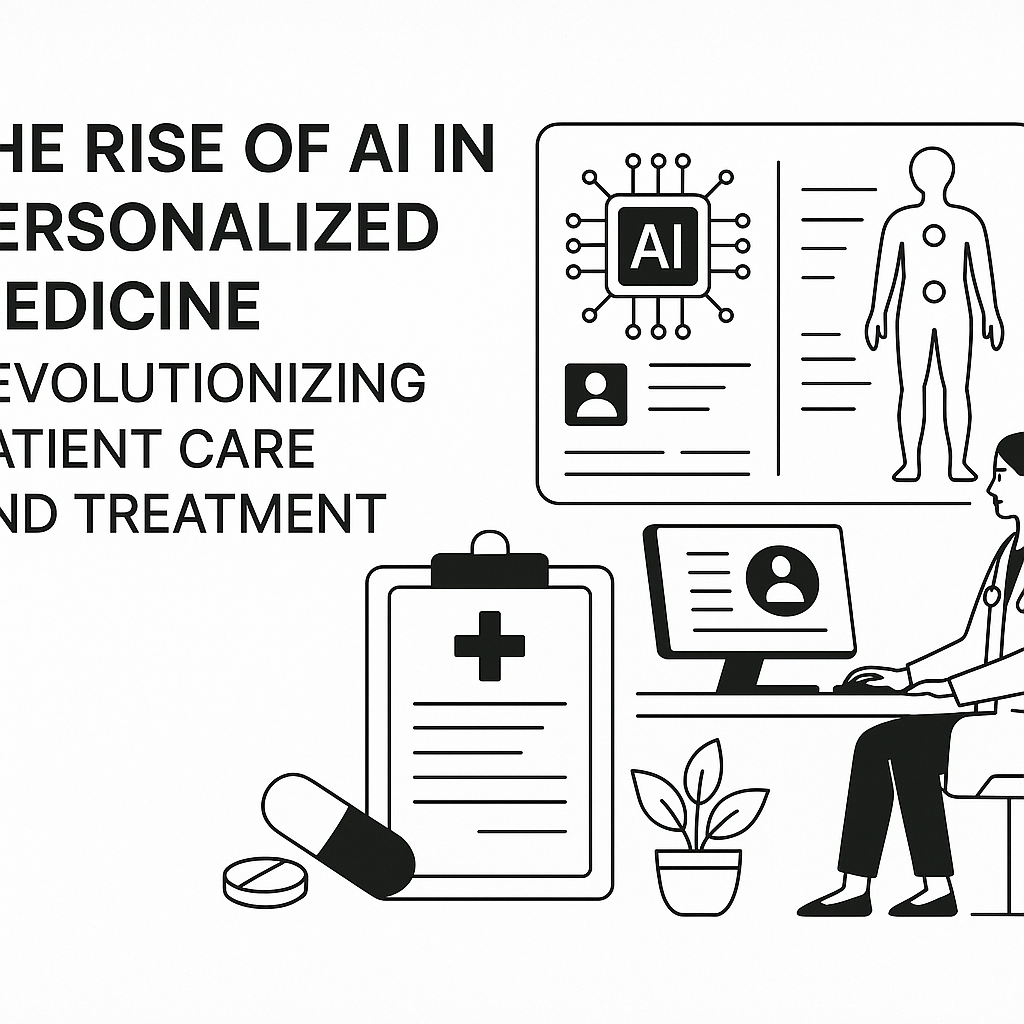
In recent years, artificial intelligence (AI) has emerged as a transformative force in healthcare, particularly in the realm of personalized medicine. By leveraging complex algorithms and vast data sets, AI is enabling healthcare providers to offer tailored treatments and improved patient care. This article delves into how AI is revolutionizing personalized medicine, the benefits it brings, challenges faced, and what the future might hold.
Understanding Personalized Medicine
Personalized medicine refers to the customization of healthcare treatments based on the individual characteristics of each patient. It takes into account genetic information, lifestyle factors, and environmental influences to develop targeted therapies that are more effective and safer than traditional approaches.
How AI is Enhancing Personalized Medicine
AI technologies are playing a pivotal role in advancing personalized medicine. Here are some key ways AI is making an impact:
- Data Analysis: AI algorithms can analyze vast amounts of data quickly and accurately, identifying patterns and insights that help tailor treatments to individual needs.
- Predictive Analytics: AI can predict disease risks and outcomes based on genetic and lifestyle factors, allowing for preventive measures and early interventions.
- Drug Discovery: AI accelerates the drug discovery process by simulating how drugs interact with the body, identifying promising candidates for personalized therapies.
- Remote Monitoring: AI-powered devices can monitor patient health in real-time, providing valuable data to healthcare providers for ongoing treatment adjustments.
Benefits of AI in Personalized Medicine
The integration of AI into personalized medicine offers several advantages:
- Improved Accuracy: AI enhances diagnostic precision by analyzing complex data sets that are beyond human capability.
- Cost Efficiency: By optimizing treatment plans and reducing trial-and-error, AI can lead to cost savings in healthcare delivery.
- Enhanced Patient Outcomes: Personalized treatments guided by AI can lead to better health outcomes and higher patient satisfaction.
- Rapid Innovation: AI fosters quicker developments in medical research and therapy creation, keeping pace with emerging health challenges.
Challenges in Implementing AI in Healthcare
Despite the promising benefits, the adoption of AI in personalized medicine is not without challenges:
- Data Privacy: Ensuring patient data confidentiality and compliance with regulations like GDPR is crucial.
- Integration with Existing Systems: AI solutions need to be seamlessly integrated with current healthcare infrastructure and practices.
- Ethical Concerns: Addressing biases in AI algorithms and ensuring fair treatment for all patients is a significant ethical consideration.
- Skill Gap: There is a need for healthcare professionals to be trained in AI technologies to effectively utilize and interpret AI-driven insights.
FAQs About AI in Personalized Medicine
- What is personalized medicine?
- Personalized medicine is an approach that customizes healthcare treatments based on individual patient data, including genetic, lifestyle, and environmental factors.
- How does AI contribute to personalized medicine?
- AI contributes by analyzing complex data sets, predicting disease outcomes, aiding drug discovery, and enabling real-time health monitoring.
- Are there risks involved with AI in healthcare?
- Yes, risks include data privacy concerns, ethical issues, and potential biases in AI algorithms that could affect treatment fairness.
- How can AI reduce healthcare costs?
- By optimizing treatment plans and reducing unnecessary procedures, AI can improve efficiency and reduce overall healthcare costs.
Conclusion: The Future of AI in Personalized Medicine
The rise of AI in personalized medicine marks a new era in healthcare, where treatments are more tailored, efficient, and effective. While challenges remain, the potential benefits far outweigh the hurdles. As AI technology continues to evolve, it promises to further revolutionize patient care and treatment, offering hope for better health outcomes and a more personalized healthcare experience. Embracing AI in healthcare will require collaborative efforts from technology developers, healthcare providers, and policymakers to ensure its successful integration and ethical application.


0 Comments