
The Ethical Implications of AI-Human Brain Interfaces
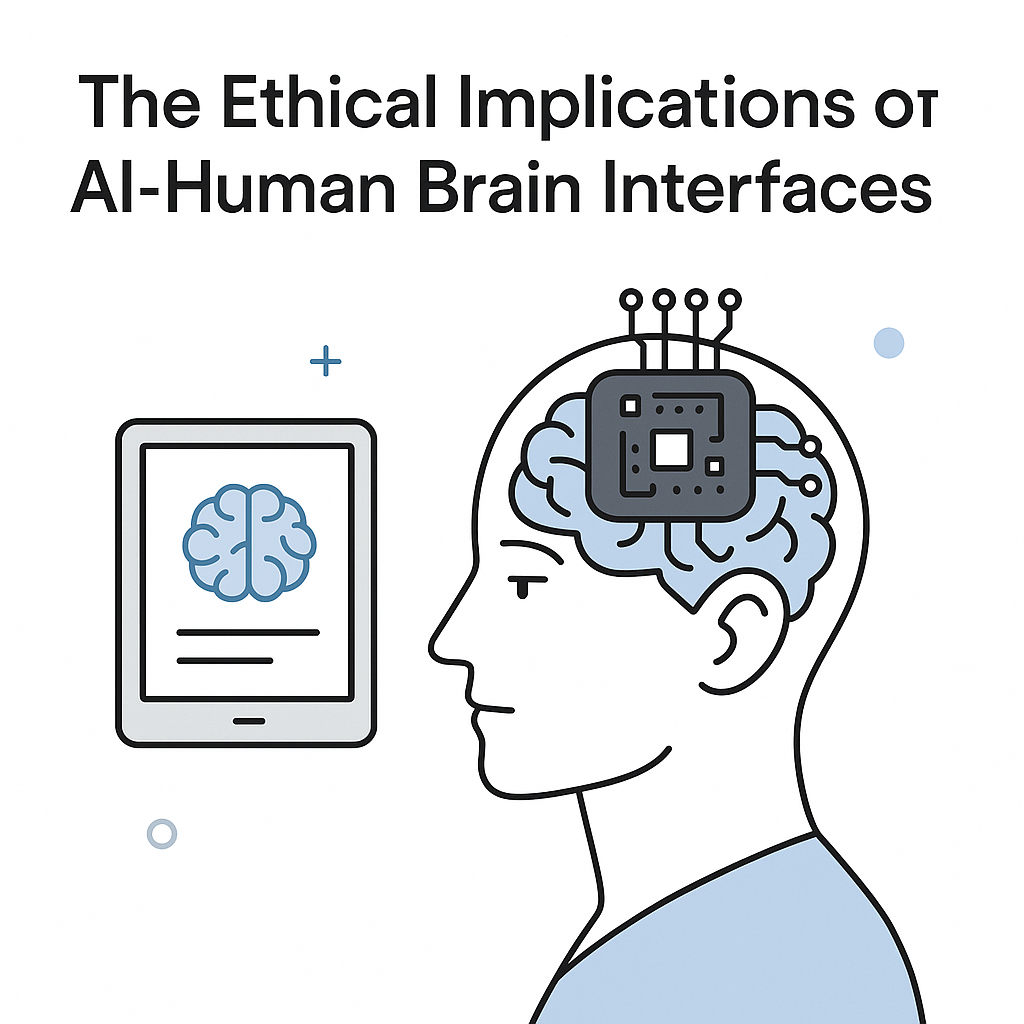
With advancements in technology, the fusion of artificial intelligence (AI) with human brain interfaces is no longer just a concept in science fiction. As we stand on the cusp of this revolutionary change, it's crucial to examine the ethical implications of AI-human brain interfaces. These interfaces promise unprecedented enhancements in human capabilities, but they also pose significant ethical challenges. This article delves into the key ethical considerations surrounding AI-human brain interfaces and their potential impact on society.
Understanding AI-Human Brain Interfaces
AI-human brain interfaces are technologies that allow direct communication between the human brain and external devices, powered by artificial intelligence. These interfaces can potentially transform various domains, from healthcare to communication and beyond. However, the integration of AI with the human brain raises important ethical questions.
Privacy Concerns
Privacy is a major concern with AI-human brain interfaces. The ability to access and interpret neural data could lead to unprecedented invasions of personal privacy. Considerations include:
- Who owns the neural data collected by brain interfaces?
- How will this data be protected from misuse or unauthorized access?
- What measures will be implemented to ensure user consent and control over their own data?
Impact on Autonomy
Autonomy refers to the ability to make independent decisions. AI-human brain interfaces could potentially influence or override human decision-making processes. Ethical implications include:
- Could AI influence decisions without the individual's awareness?
- What safeguards are necessary to maintain individual autonomy?
- How do we ensure that AI supports, rather than undermines, human agency?
Human Enhancement and Equity
These interfaces offer the possibility of enhancing human capabilities beyond natural limits. However, ethical concerns arise regarding equity and access:
- Will access to enhancements be equitable, or will they exacerbate existing social inequalities?
- How do we define the limits of acceptable human enhancement?
- What are the implications for those who choose not to enhance themselves?
Frequently Asked Questions (FAQs)
- What are AI-human brain interfaces?
- AI-human brain interfaces are technologies that facilitate direct communication between the brain and external devices, often using AI to interpret and respond to neural signals.
- Why are privacy concerns significant with these interfaces?
- Privacy concerns are significant because neural data could reveal intimate details about thoughts, preferences, and emotions, posing risks of misuse or unauthorized access.
- How might AI impact human autonomy?
- AI could potentially influence or override human decision-making, raising concerns about maintaining individual autonomy and ensuring decisions are made freely.
- What ethical issues arise with human enhancement?
- Ethical issues include the equitable access to enhancements, defining acceptable limits, and the societal impact on those who opt out of enhancement.
Conclusion
AI-human brain interfaces represent a frontier of technological advancement with the promise of transforming human capabilities. However, they also bring profound ethical considerations that must be addressed to ensure responsible development and deployment. Privacy, autonomy, and equity are key areas that require careful scrutiny and policy development. As we navigate this new era, a collaborative approach among technologists, ethicists, policymakers, and society at large is essential to harness the benefits while safeguarding human values.


0 Comments