
The Battle of Galwan: A Detailed Analysis
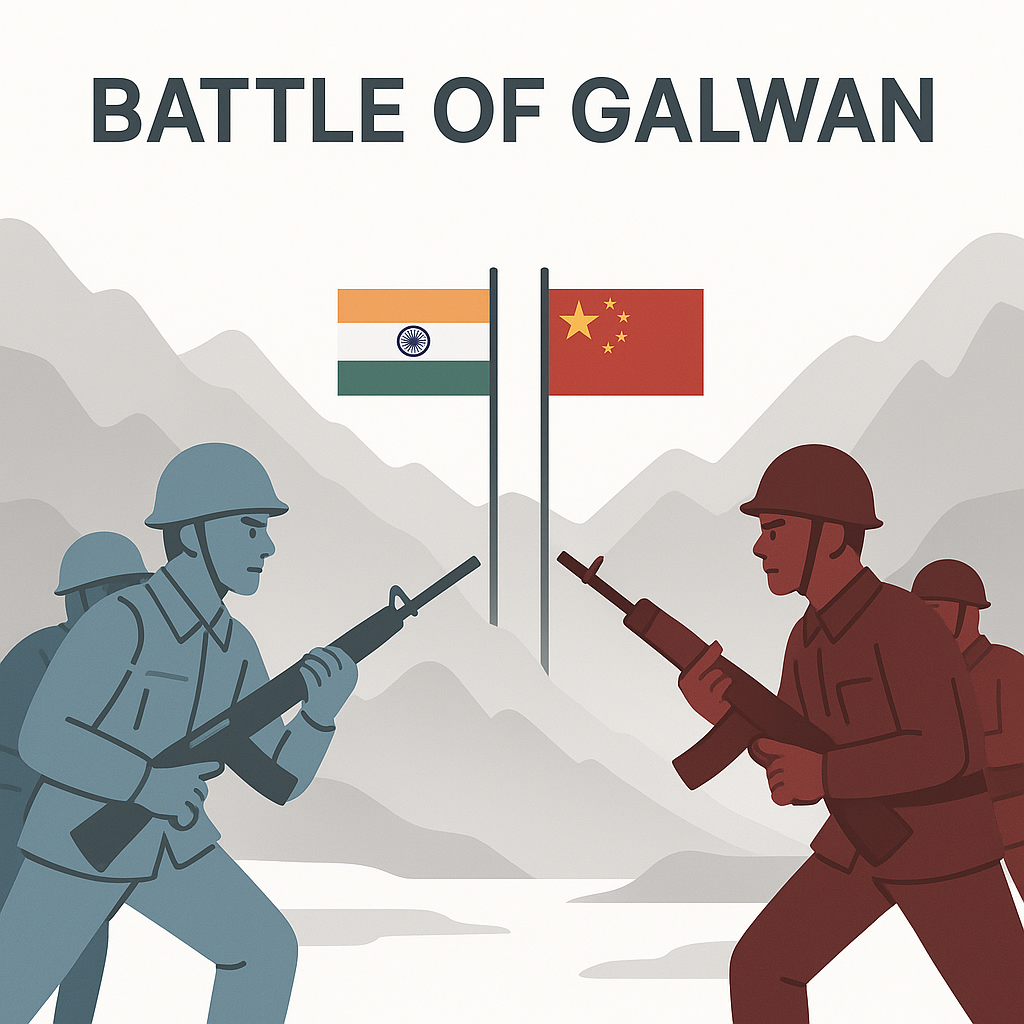
The Battle of Galwan, a significant event in Indo-China relations, occurred on June 15, 2020. This confrontation marked a pivotal moment in the ongoing border disputes between India and China. In this article, we delve into the historical context, key events, and the aftermath of the clash while addressing frequently asked questions about the Battle of Galwan.
Historical Context
The Galwan Valley, located along the Line of Actual Control (LAC) in Ladakh, India, has long been a contentious area between India and China. The border disputes trace back to the 1962 Sino-Indian War, which ended without a definitive border agreement. Since then, sporadic skirmishes have occurred, with both nations claiming sovereignty over various regions.
The Battle of Galwan: Key Events
The confrontation in Galwan Valley was a culmination of escalating tensions between India and China in early 2020. The key events leading to the battle include:
- April 2020: Reports of Chinese troops transgressing the LAC increased, leading to heightened tensions.
- May 2020: Several face-offs between Indian and Chinese troops were reported in the Galwan Valley, prompting diplomatic talks.
- June 15, 2020: The situation escalated into a violent clash involving hand-to-hand combat and resulted in casualties on both sides.
The battle did not involve firearms due to mutual agreements between the two nations to avoid military escalation, making it a brutal physical confrontation.
Impact of the Battle
The Battle of Galwan had significant ramifications on Indo-China relations and global geopolitical dynamics:
- Military Consequences: Both nations increased their military presence along the LAC, leading to heightened security measures.
- Diplomatic Strain: The confrontation led to strained diplomatic relations, with multiple rounds of talks failing to produce a lasting agreement.
- Economic Impact: India imposed restrictions on Chinese investments and banned several Chinese apps to retaliate economically.
FAQs about the Battle of Galwan
What caused the Battle of Galwan?
The battle was caused by territorial disputes and aggressive posturing by both nations along the LAC, exacerbated by a series of skirmishes and increased troop presence.
Were firearms used in the Battle of Galwan?
No, firearms were not used during the battle. The confrontation involved hand-to-hand combat, in adherence to mutual agreements to prevent military escalation.
How many casualties were reported?
India reported 20 soldiers killed, while China acknowledged casualties but did not disclose the exact figures, leading to speculation and varied reports.
What was the global reaction to the Battle of Galwan?
Global reaction was mixed, with several countries expressing concern over the escalation and urging both nations to seek peaceful resolutions. The incident highlighted the fragile nature of Indo-China relations.
Conclusion
The Battle of Galwan remains a significant event in the history of Indo-China relations, symbolizing the complex territorial disputes and the precarious balance of power in the region. While efforts continue to resolve the conflict diplomatically, the battle serves as a reminder of the enduring challenges in achieving peace along the LAC.
Understanding the Battle of Galwan involves exploring its historical roots, key incidents, and the subsequent impacts on diplomatic and military fronts. As both nations navigate their complex relationship, global attention remains focused on ensuring stability and peace in the region.


0 Comments