
India's Balancing Act on the Global Stage
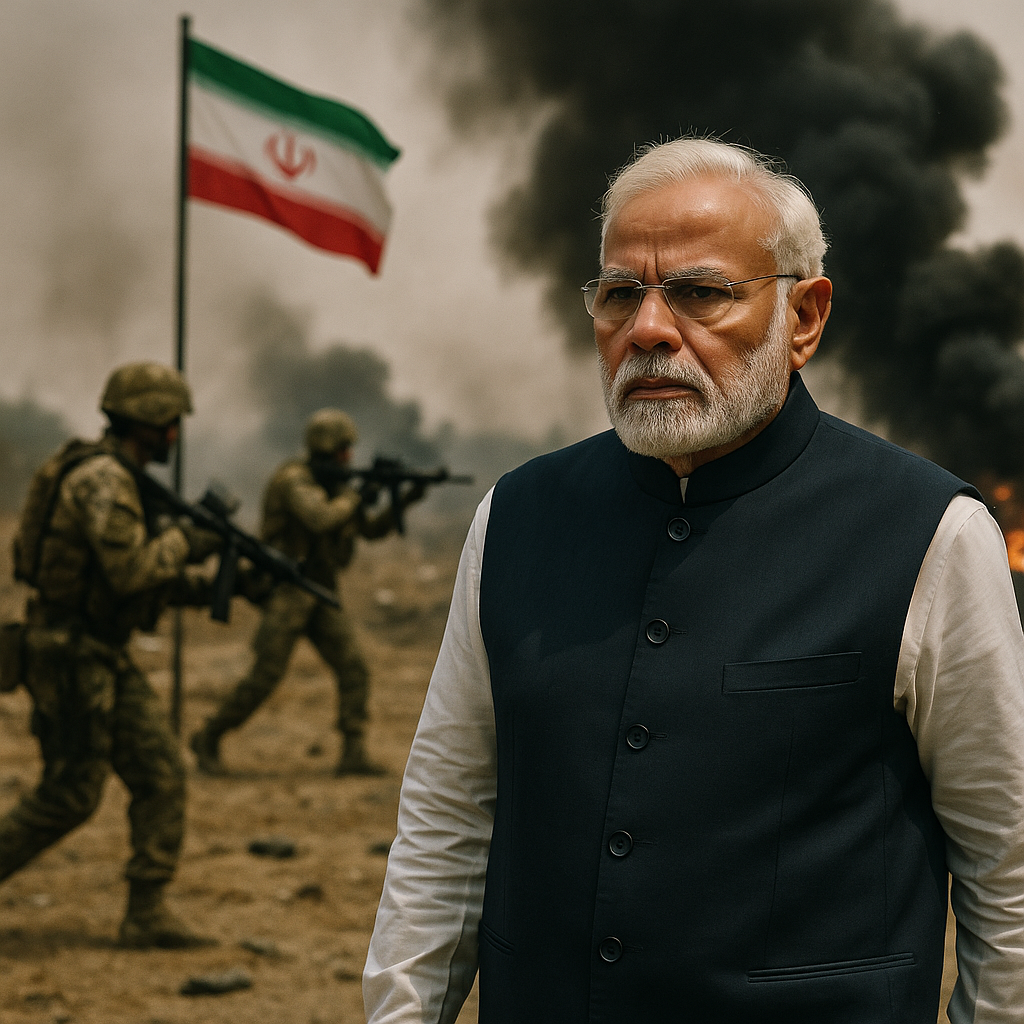
In a world where geopolitical tensions rise faster than mercury in the midday sun, the Iran war casts a long shadow over India's foreign policy. **Prime Minister Narendra Modi's stance on this complex issue is both a testament to his diplomatic acumen and a source of heated debate.** With India being the world's third-largest oil consumer, Modi's strategy in dealing with the Iranian conflict could potentially reshape the nation's economic landscape.
A Look Back: Numbers and Decisions
To grasp the magnitude of Modi's dilemma, consider this: **India imports roughly 84% of its crude oil**. Of this, about 10% traditionally comes from Iran—until the sanctions hit the fan. In 2022, India imported 1.2 million barrels per day from the Gulf region, and any disruption spells trouble. An over-reliance on Middle Eastern oil makes India's economic health closely tied to peace in the region.
In April 2023, amidst growing threats of escalation, Modi convened a 14-member panel to evaluate India's position in the Iran conflict. The stakes are high, and the figures don't lie. **India's growth rate had reached 6.8% in 2022**, showcasing an economy poised for more, provided the oil taps remain open.
The Controversy: Economic Priorities vs. Ethical Stance
India's diplomatic history is riddled with attempts to befriend both sides, a strategy that often leaves critics shaking their heads. Modi's approach, however, is as bold as it is pragmatic. **Economic interests often outweigh moral considerations**, a premise that has sparked fierce criticism both domestically and internationally.
- **May 2023**: India abstains from a United Nations vote condemning Iran's actions, citing non-interference as a core principle.
- **August 2023**: Modi sends diplomatic envoys to both Tehran and Washington, attempting a middle-ground solution. The initiative, dubbed "Operation Neutral," was an audacious effort.
- **September 2023**: Iran threatens to cut oil supplies to nations backing sanctions, putting Modi's strategy under scrutiny.
Modern Context: The Ripple Effect
Fast forward to the present. **It's October 2023, and the ripple effects of Modi's diplomatic balancing act are being felt across India**. The Indian Rupee sees fluctuations that would make a rollercoaster blush, while stock markets brace for impact like a ship facing a storm. Yet, Modi's government remains steadfast, betting on a resolution that can keep the oil flowing and the economy humming.
Critics argue that Modi's approach might sacrifice long-term ethical positions for short-term economic gains. Yet, with **India's inflation rate hovering around 5.9%**, pragmatism seems to be the name of the game.
The Big Picture: Future Implications
What does this mean for India's future? If history teaches us anything, it's that wars can reshape alliances, economies, and even the world order. Modi's gamble is a daring one. **Navigate this tightrope successfully, and India may emerge stronger and more influential**. Fail, and the repercussions could be dire both economically and diplomatically.
One thing is certain: as the Iran conflict unfolds, PM Modi's decisions will be watched globally. The stakes are high, and India is playing the game with the boldness it demands.


0 Comments