
Israel-Iran Conflict and Its Implications for the UAE
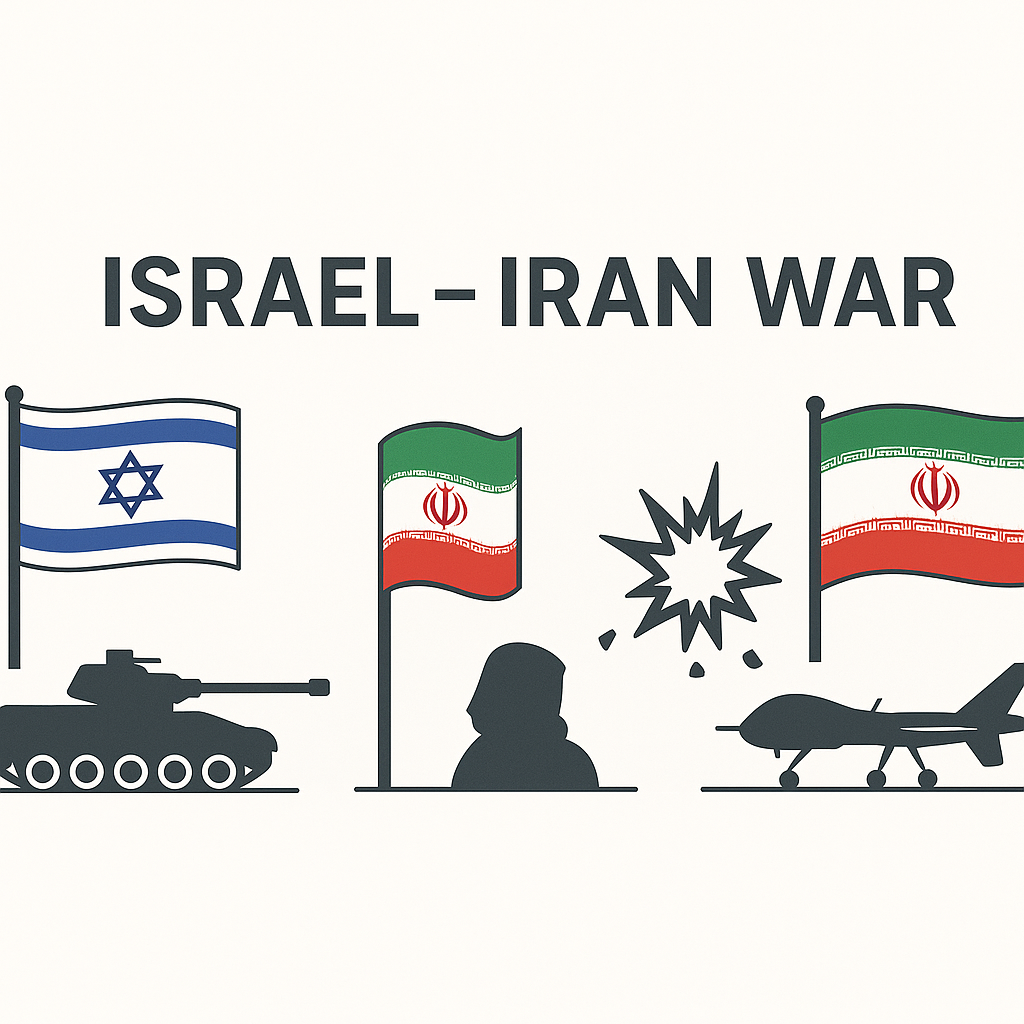
The Middle East has long been a region of geopolitical complexity and tension, with the Israel-Iran conflict standing as a prominent example. This ongoing confrontation has far-reaching implications not just for the countries directly involved, but also for regional players like the United Arab Emirates (UAE). In this blog post, we delve into the dynamics of the Israel-Iran conflict and explore its repercussions for the UAE.
Understanding the Israel-Iran Conflict
The Israel-Iran conflict is rooted in deep-seated ideological, political, and strategic differences. Israel perceives Iran’s nuclear ambitions as a direct threat to its security, while Iran views Israel as a regional adversary backed by Western allies. This animosity has manifested in various forms, from proxy wars and cyber warfare to diplomatic standoffs.
- Historical Context: The tension dates back to the establishment of Israel in 1948 and has evolved through various geopolitical events.
- Regional Influence: Iran's support for groups like Hezbollah and Hamas exacerbates the conflict.
- Nuclear Concerns: Israel's fears over Iran's nuclear program remain a central issue.
The Role of the UAE in the Middle East
The UAE, known for its diplomatic prowess and economic strength, plays a significant role in Middle Eastern geopolitics. As a nation committed to modernization and regional stability, the UAE has strategically positioned itself in the unfolding drama between Israel and Iran.
- Diplomatic Relations: The UAE has established diplomatic ties with Israel, marking a significant shift in regional alliances.
- Economic Ventures: Collaboration with Israel opens new avenues for technological and economic growth.
- Security Concerns: The UAE must navigate the security risks posed by the Israel-Iran conflict.
Implications of the Israel-Iran Conflict for the UAE
The UAE's involvement in the geopolitical landscape affected by the Israel-Iran conflict presents both challenges and opportunities:
- Regional Stability: The UAE’s diplomatic efforts can contribute to regional peace and stability.
- Economic Impact: Strengthened ties with Israel may boost the UAE’s economy, but tensions with Iran could disrupt trade routes.
- Security Dynamics: The UAE must bolster its defense strategies to mitigate potential threats from instability.
FAQs
- Q: How does the Israel-Iran conflict affect global oil prices?
- Q: Why did the UAE establish diplomatic ties with Israel?
- Q: Can the UAE act as a mediator between Israel and Iran?
A: The conflict can lead to instability in the region, which may disrupt oil supply chains and affect global oil prices.
A: The UAE seeks economic and technological collaboration with Israel, aiming to enhance regional stability and development.
A: While the UAE has diplomatic influence, mediating between Israel and Iran is complex due to deep-rooted animosities.
Conclusion
The Israel-Iran conflict continues to shape the geopolitical landscape of the Middle East, with significant implications for neighboring countries like the UAE. As the UAE navigates these turbulent waters, its role in promoting regional stability through diplomatic engagement and strategic alliances becomes increasingly vital. While challenges remain, the UAE's proactive approach could pave the way for a more peaceful and prosperous Middle East.


0 Comments