
Impact of India's Digital Payment Revolution on Rural Economies
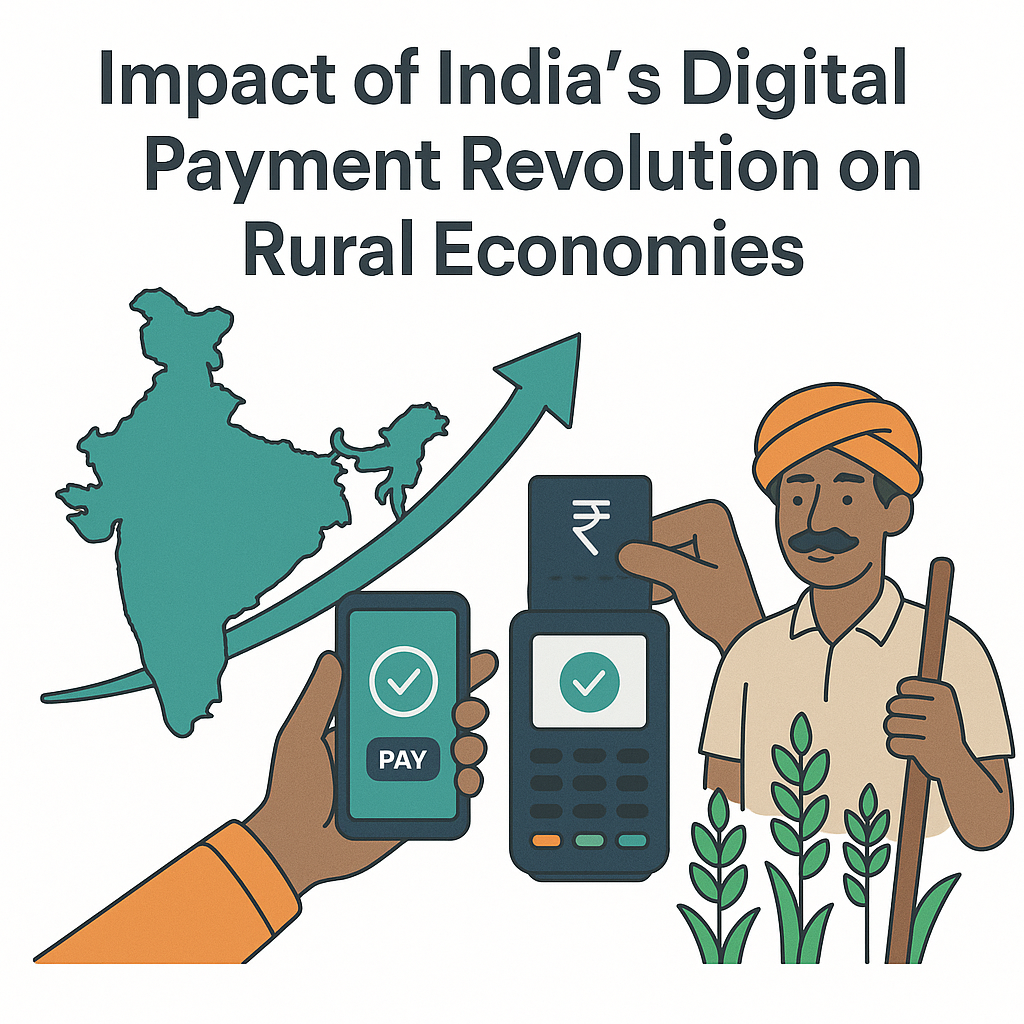
India's digital payment revolution has been a game-changer across the nation, especially in rural areas. With the advent of technology and government initiatives, rural economies are witnessing significant transformations. This blog explores the impact of digital payments in rural India, highlighting the benefits, challenges, and future prospects.
Understanding the Digital Payment Revolution
The digital payment revolution in India is characterized by the widespread adoption of technologies like Unified Payments Interface (UPI), mobile banking, and digital wallets. These tools have made monetary transactions faster, more secure, and accessible, even to the remotest parts of the country.
Benefits of Digital Payments in Rural Economies
- Financial Inclusion: Digital payments have enabled unprecedented financial inclusion. People in rural areas, who previously had limited access to banking facilities, can now perform transactions easily.
- Economic Empowerment: Access to digital payments has empowered rural entrepreneurs and small businesses by providing them seamless transaction capabilities, thereby boosting local economies.
- Transparency and Security: Digital payments offer enhanced security features, reducing the risk of theft and fraud, which is crucial in rural areas where traditional banking security is minimal.
- Government Subsidies and Benefits: Direct Benefit Transfers (DBT) through digital platforms have ensured that government subsidies reach the intended beneficiaries without leakage or delay.
- Cost-Effective: Digital transactions reduce the cost associated with handling cash and physical banking operations, making it economically viable for rural banks and cooperatives.
Challenges Faced by Rural Economies
- Digital Literacy: The lack of digital literacy in rural areas poses a significant challenge to the widespread adoption of digital payments.
- Infrastructure Issues: Inadequate internet connectivity and technological infrastructure hinder the smooth functioning of digital payment systems.
- Cybersecurity Threats: With increased digital transactions, rural populations are more susceptible to cybersecurity threats, necessitating robust protective measures.
- Resistance to Change: Traditional practices and skepticism towards technology often lead to resistance in adopting digital payment systems.
Future Prospects of Digital Payments in Rural India
The future of digital payments in rural India looks promising. With ongoing government initiatives aimed at improving digital literacy and infrastructure, rural economies are poised to benefit significantly. The integration of artificial intelligence and machine learning into digital payment technologies will further streamline processes and enhance security, making transactions even more efficient.
FAQs
- What are digital payments?
- Digital payments refer to monetary transactions conducted electronically through various digital platforms like UPI, mobile banking, and digital wallets.
- How do digital payments benefit rural economies?
- Digital payments facilitate financial inclusion, provide economic empowerment, ensure transparency, and offer cost-effective solutions to monetary transactions.
- What are the challenges of digital payments in rural areas?
- Challenges include lack of digital literacy, infrastructure issues, cybersecurity threats, and resistance to change among rural populations.
- How can rural areas overcome digital payment challenges?
- Overcoming challenges involves improving digital literacy, enhancing infrastructure, implementing cybersecurity measures, and encouraging the adoption of technology through community engagement.
Conclusion
India's digital payment revolution is reshaping rural economies by fostering financial inclusion and economic empowerment. Although challenges remain, the future holds great potential as ongoing efforts aim to enhance digital literacy and infrastructure. As rural India embraces digital payments, it paves the way for a more connected, secure, and prosperous future.


0 Comments