
Unraveling the Unpredictable: Delhi's Weather Quandary
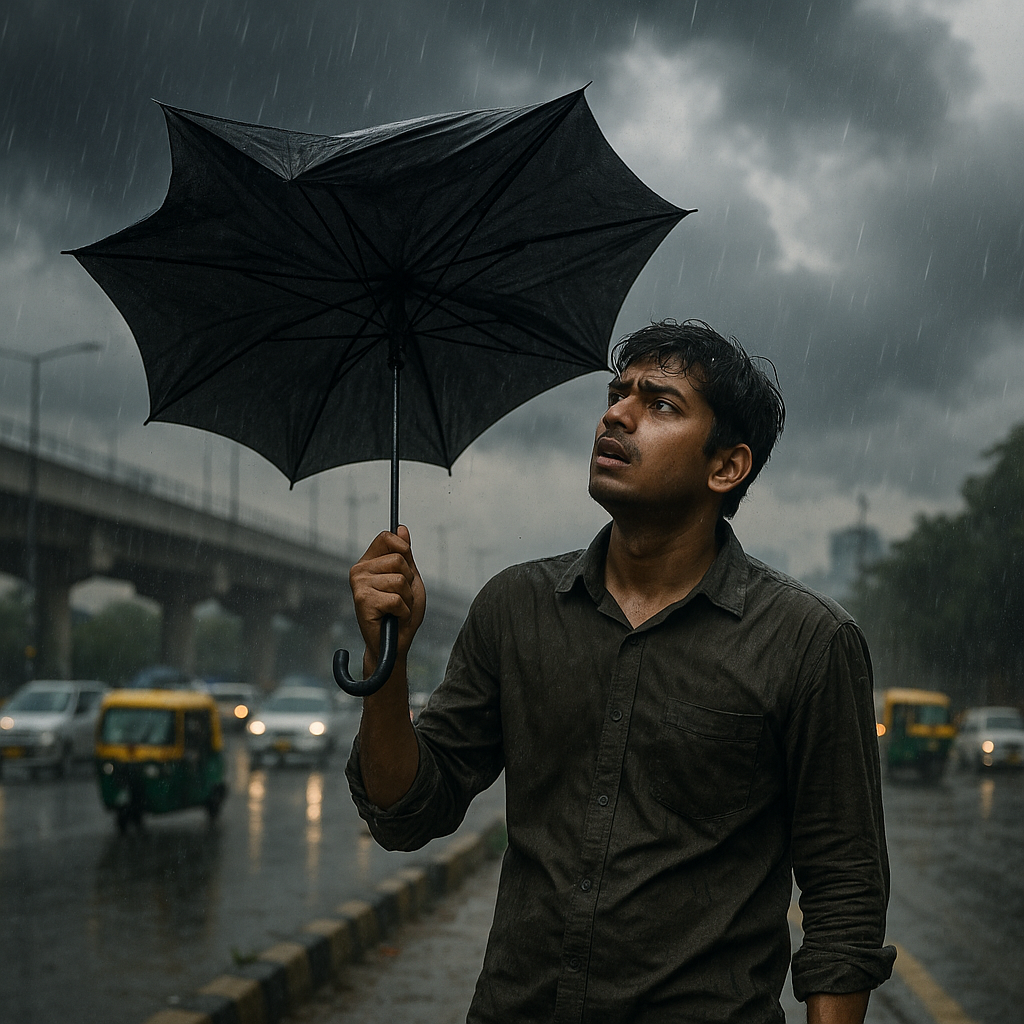
Delhi's weather isn't just an annual rollercoaster; it's a full-blown meteorological soap opera. While the world debates climate change, Delhi simply lives it. In the past year alone, the city's temperature has jumped from a sweltering 49°C (that's a stunning 120°F for those using Fahrenheit) in May 2022 to a bone-chilling 1.1°C in January 2023. One might think Delhi's weather has a severe identity crisis.
The Intensity of Extremes
You can't talk about Delhi without mentioning its punishing summer heat. May 2022 wasn't messing around when it recorded that 49°C. This wasn't some fluke; it was the highest temperature the city had suffered in over a decade. Then you have the monsoon rains that seem to play dodgeball with the city. In 2021, Delhi received a whopping 1,502 mm of rainfall, turning streets into canals and traffic into lifeboat expeditions.
But it’s not just about the numbers. Delhi's weather takes a psychological toll on its inhabitants. The oppressive heat leads to drained energy levels, while the winters' biting cold forces even the most daring souls to hibernate.
Recent Climate Changes: The Last 24 Months
Since early 2022, scientists have observed an alarming pattern in Delhi's weather: it’s becoming less predictable. Here are some startling observations:
- The average temperature has increased by approximately 0.5°C over the last decade, with a notable acceleration since 2021.
- Air quality frequently nosedives into the "hazardous" category during winter months, peaking at an AQI of 999 in December 2022.
- Rainfall patterns are shifting, with sudden downpours becoming more common, leading to flash floods.
It's a rude awakening for a city straddling the ancient and the modern. Urbanization and rapid industrial development have exacerbated these weather extremes. It's like the city is trapped in a vicious cycle, with human activity fueling the weather beast that, in turn, rages with renewed fury.
Surviving the Drama: Delhi's Resilience
Despite the extremes, Delhiites have showcased an inspiring level of resilience. The city has adapted through a burgeoning culture of air conditioning during heatwaves and the development of green spaces to combat escalating temperatures. Yet, efforts need to transcend stopgaps.
The metropolitan leadership has initiated several programs aimed at environmental restoration and pollution reduction. Initiatives like the Delhi Electric Vehicle Policy 2020 aim to catalyze a cleaner, greener future, but the clock is ticking. Like a high-stakes poker game, the city's future hinges on its ability to adapt and innovate.
In the saga of Delhi's weather, adaptation isn't just a strategy; it's a necessity. And if there's one thing Delhi has shown, it's that it can go toe-to-toe with adversity. The question left hanging is: how much longer can it keep up this dance with the volatile elements?


0 Comments