
Decentralized Healthcare: The Future of Patient Empowerment
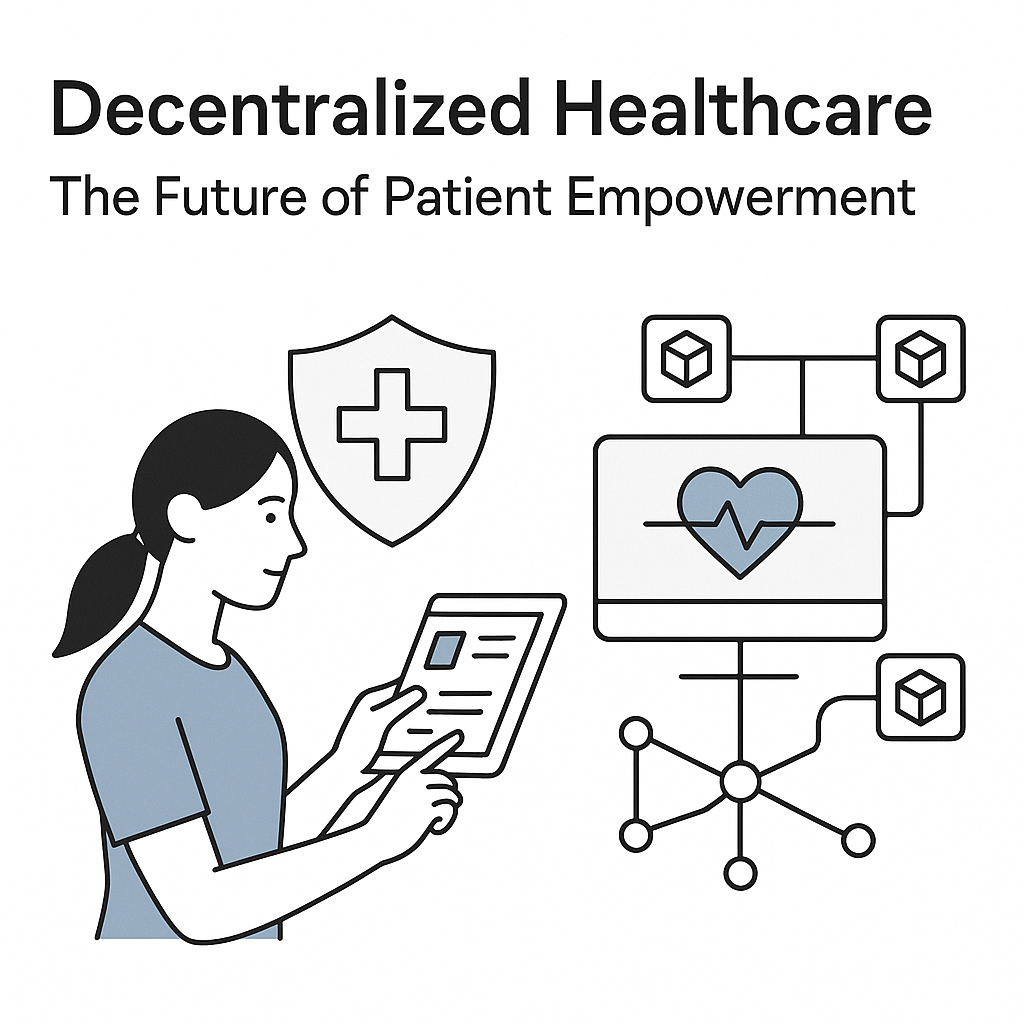
As healthcare systems worldwide grapple with increasing demands and rising costs, the concept of decentralized healthcare has emerged as a beacon of hope for patient empowerment. This innovative approach seeks to shift the focus from centralized, institution-based healthcare to patient-centric, distributed models. In this article, we delve into the transformative potential of decentralized healthcare, highlighting its benefits, challenges, and implications for the future.
Understanding Decentralized Healthcare
Decentralized healthcare refers to the distribution of healthcare services away from traditional, centralized institutions, leveraging technology to bring care closer to the patient. This approach involves several key components:
- Telemedicine: Enables remote consultations and monitoring, making healthcare more accessible.
- Wearable Technology: Provides real-time health data, allowing for proactive health management.
- Blockchain: Ensures secure and transparent sharing of medical records and data.
- Mobile Health Apps: Empower patients to manage their health effectively.
Benefits of Decentralized Healthcare
Decentralized healthcare offers a multitude of advantages that contribute to patient empowerment:
- Accessibility: Patients can access healthcare services from the comfort of their homes, reducing travel time and associated costs.
- Personalized Care: With real-time data, healthcare providers can offer tailored treatment plans.
- Cost Efficiency: Reduces overhead costs associated with centralized healthcare facilities.
- Enhanced Patient Engagement: Patients become active participants in their healthcare journey.
Challenges in Implementing Decentralized Healthcare
While decentralized healthcare holds promise, its implementation is not without challenges:
- Data Security: Protecting patient information in a decentralized system is paramount.
- Regulatory Compliance: Navigating the regulatory landscape can be complex.
- Technological Barriers: Ensuring widespread access to necessary technology can be challenging.
- Healthcare Provider Adaptation: Training providers to work within decentralized systems is essential.
Decentralized Healthcare and Patient Empowerment
Empowerment in healthcare means enabling patients to take control of their health decisions. Decentralized healthcare plays a crucial role in this empowerment by:
- Enhancing Knowledge: Patients gain access to their health data, enabling informed decision-making.
- Improving Communication: Direct communication channels between patients and providers facilitate better understanding and collaboration.
- Encouraging Proactive Health Management: With tools like wearable technology, patients can monitor their health regularly.
FAQs About Decentralized Healthcare
- What is decentralized healthcare?
- Decentralized healthcare refers to the distribution of healthcare services away from traditional institutions, using technology to deliver care directly to patients.
- How does decentralized healthcare empower patients?
- It empowers patients by providing them with access to their health data, facilitating better communication with providers, and encouraging proactive health management.
- What technologies are involved in decentralized healthcare?
- Key technologies include telemedicine, wearable technology, blockchain, and mobile health apps.
- What are the challenges of decentralized healthcare?
- Challenges include data security, regulatory compliance, technological barriers, and adaptation by healthcare providers.
Conclusion
Decentralized healthcare represents a significant shift towards patient empowerment. By leveraging technology to bring healthcare services closer to individuals, it not only enhances accessibility and personalization but also encourages active participation in health management. Despite the challenges in implementation, the potential benefits for patients and healthcare systems alike make decentralized healthcare a promising avenue for the future. As technology advances and regulatory frameworks adapt, decentralized healthcare is poised to transform the landscape, making patient empowerment a reality.


0 Comments